
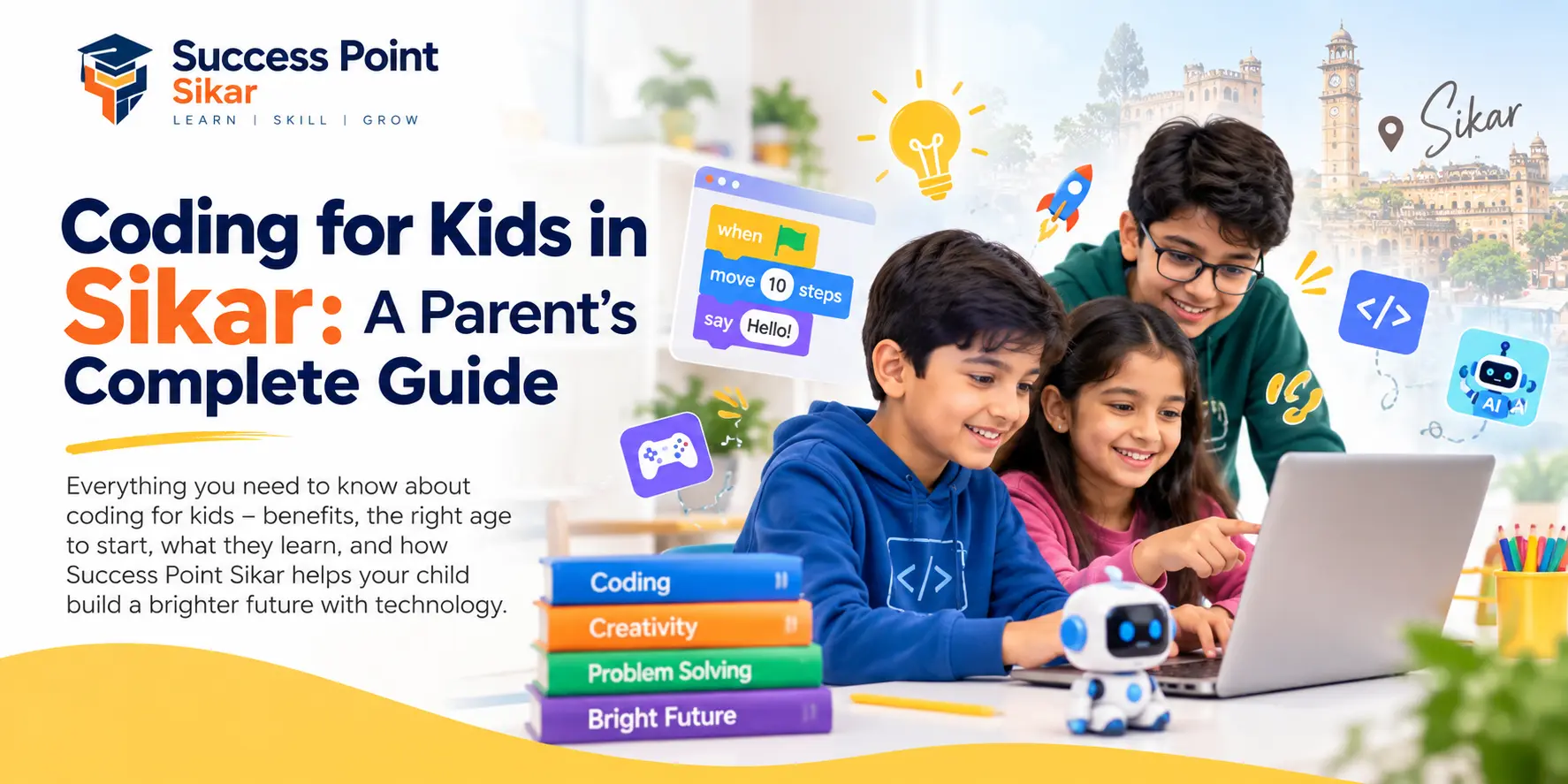
What is Coding for Kids?
Coding for kids means introducing children to programming and technology through age-appropriate activities, games, projects, logical thinking, and creative problem-solving.
Children do not need to start with complex programming languages. A good coding program should introduce concepts gradually and make learning interactive, practical, and enjoyable.
Coding can help children understand how digital products work and develop skills such as logical thinking, problem-solving, creativity, sequencing, and structured thinking.
Coding classes for kids in Sikar can provide a structured environment where children can learn technology according to their age and current skill level.
Why Should Kids Learn Coding?
Technology is becoming an important part of education, communication, business, and future careers. Introducing children to coding can help them become more comfortable with technology from an early age.
Coding is not only about becoming a software developer. It teaches children how to break a problem into smaller steps, identify mistakes, test solutions, and think logically.
Children can also develop creativity by building simple games, animations, websites, interactive projects, and other digital experiences.
The objective should not be to put academic pressure on children. Coding should be introduced as a practical and creative skill that allows children to explore technology and develop problem-solving abilities.
What is the Best Age to Start Coding?
There is no single age at which every child should start coding. The right starting point depends on the child's interest, learning ability, attention span, and previous exposure to computers.
Younger children can begin with visual programming, logic-based activities, games, animations, and simple interactive projects. As children grow older, they can gradually move towards programming concepts, web development, and more structured coding.
A useful approach is to create different learning paths for different age groups rather than teaching the same syllabus to every child.
Parents should focus on whether the program is age-appropriate, engaging, practical, and suitable for the child's current level.
Benefits of Coding for Kids
Coding can provide children with skills that are useful beyond programming. Regular practice can encourage logical thinking, creativity, patience, and structured problem-solving.
When children build projects, they learn to test ideas, identify errors, make changes, and improve their work. This process can help them develop a practical approach to solving problems.
Coding can also encourage children to become creators of digital content instead of only being users of technology.
Some important benefits of coding for kids include logical thinking, problem-solving, creativity, computational thinking, confidence, attention to detail, and understanding of technology.
What Do Kids Learn in Coding Classes?
A good kids coding program should be designed according to the child's age and learning level. Younger learners may begin with basic computer concepts, logic, sequencing, visual programming, and creative digital activities.
As students progress, they can learn programming concepts such as variables, conditions, loops, functions, events, problem-solving, and project development.
Older students can gradually move towards text-based programming, web development, JavaScript, application development, and more advanced technology concepts.
Project-based learning is especially useful because children can apply what they learn by creating games, animations, websites, applications, and other technology projects.
Age-Based Coding Learning Paths
Children learn differently at different ages. A structured coding program should therefore consider age, learning ability, existing computer knowledge, and the complexity of concepts being taught.
Success Point Sikar provides age-focused technology learning paths through Little Tech Explorers, Junior Code Creators, and Teen Tech Developers.
These learning paths are designed to help children gradually move from basic technology awareness and creative coding activities towards structured programming and advanced technology skills.
Coding for Kids Aged 6–9
Children aged 6–9 can begin their technology journey through simple, visual, and activity-based learning. At this stage, the focus should be on developing curiosity, creativity, logical thinking, and basic digital skills.
Learning activities can include basic computer usage, visual coding, simple animations, games, storytelling, sequencing, puzzles, and beginner-friendly programming concepts.
The goal at this stage is not to teach complex programming syntax. It is to help children understand that technology can be used to create, experiment, and solve problems.
Success Point Sikar's Little Tech Explorers program is designed as an age-appropriate technology learning path for young children.
Coding for Kids Aged 10–13
Children aged 10–13 can gradually move from visual and beginner coding activities towards more structured programming concepts and technology projects.
Students can learn concepts such as logic, conditions, loops, variables, functions, problem-solving, basic web concepts, and project development depending on their learning level.
At this age, children can start creating more complete projects and learn how different pieces of a program work together.
Success Point Sikar's Junior Code Creators program provides an age-focused learning path for students in this stage.
Coding for Teenagers Aged 14–18
Teenagers can move towards more advanced programming and technology skills that can also support their future academic and career choices.
Students can explore programming, web development, JavaScript, application development, problem-solving, project development, Git and other technology concepts according to their learning level.
Teenagers can also start building a portfolio of projects that demonstrates their technical abilities and helps them understand different technology career paths.
Success Point Sikar's Teen Tech Developers program is designed for teenagers who want to develop more advanced technology and coding skills.
How to Choose Coding Classes for Kids in Sikar
Parents should not choose coding classes only based on the course name, certificate, or advertisements. The learning approach and age-appropriateness of the program are equally important.
Before enrolling a child, parents should check the syllabus, teaching methodology, project work, class environment, trainer experience, batch size, practical activities, and the level of individual attention provided.
Parents should also check whether the course encourages children to create projects instead of only watching demonstrations or memorising programming concepts.
The best coding program for a child is one that matches the child's age, interests, current ability, and future learning goals.
How Parents Can Support Coding Learning
Parents play an important role in helping children develop a positive attitude towards technology learning. Children should be encouraged to experiment, ask questions, make mistakes, and try different solutions.
Parents do not need to be programmers themselves to support their child's learning. They can simply encourage regular practice, ask children to explain what they built, and appreciate their effort and creativity.
It is also useful to maintain a healthy balance between screen-based learning and other activities. Coding should be a productive and engaging learning activity rather than an additional source of pressure.
Parents can encourage children to build small projects at home and gradually increase the complexity as their skills improve.
Coding Programs at Success Point Sikar
Success Point Sikar offers age-focused coding and technology learning programs for children and teenagers who want to develop practical technology skills.
Little Tech Explorers is designed for younger children aged 6–9, Junior Code Creators is designed for students aged 10–13, and Teen Tech Developers is designed for teenagers aged 14–18.
The purpose of these programs is to provide children with a gradual technology learning journey instead of exposing every age group to the same advanced syllabus.
Students can develop computer awareness, coding concepts, logical thinking, problem-solving, creativity, and project-building skills according to their learning stage.
For parents looking for coding classes for kids in Sikar, it is important to choose a program where children can learn through practical activities and projects while developing a strong foundation for future technology learning.
Next Steps
If you are considering coding classes for your child in Sikar, start by identifying the child's age, interests, current computer knowledge, and learning goals.
Younger children can start with beginner-friendly coding and technology activities, while older students can gradually move towards programming, web development, application development, and advanced technology skills.
Parents should compare the syllabus, practical activities, projects, trainers, batch size, learning environment, and age suitability before selecting a coding program.
The goal should not simply be to teach a child how to write code. The goal should be to help the child become a confident technology learner who can think logically, solve problems, create projects, and adapt to future technologies.
Success Point Team
Published By Success Point Team, Sikar.
Frequently asked questions
What is coding for kids?
Coding for kids introduces children to programming and technology through age-appropriate activities, games, projects, logical thinking, and creative problem-solving.
What is the best age to start coding?
There is no single best age for every child. Children can start with age-appropriate technology and coding activities when they show interest and are ready to learn.
Why should children learn coding?
Coding can help children develop logical thinking, problem-solving, creativity, computational thinking, patience, and confidence while helping them understand technology.
Are there coding classes for kids in Sikar?
Yes. Success Point Sikar provides age-focused coding and technology learning programs including Little Tech Explorers, Junior Code Creators, and Teen Tech Developers.
What is Little Tech Explorers?
Little Tech Explorers is an age-focused technology and coding learning program at Success Point Sikar designed for younger children aged 6–9.
What is Junior Code Creators?
Junior Code Creators is an age-focused coding and technology learning program for students aged 10–13.
What is Teen Tech Developers?
Teen Tech Developers is an age-focused technology and coding program for teenagers aged 14–18 who want to develop more advanced technology skills.
Can a 6-year-old learn coding?
Yes. Younger children can learn age-appropriate coding concepts through visual programming, games, activities, animations, logic exercises, and creative projects.
Can children learn coding without previous computer knowledge?
Yes. Beginner-friendly coding programs can start with basic computer and technology concepts before introducing programming and project development.
What do kids learn in coding classes?
Depending on their age and level, children can learn computer fundamentals, logical thinking, visual coding, programming concepts, web development, project building, and problem-solving.
What are the benefits of coding for children?
Coding can help children develop logical thinking, creativity, problem-solving, computational thinking, attention to detail, confidence, and technology awareness.
How should parents choose coding classes in Sikar?
Parents should check the age suitability, syllabus, practical activities, projects, trainers, batch size, teaching methodology, learning environment, and level of individual attention.
Should kids learn coding through projects?
Yes. Project-based learning allows children to apply concepts, experiment with ideas, solve problems, and create something they can see and use.
Can coding help children in their future careers?
Coding can provide an early foundation in logical thinking, problem-solving, and technology that may be useful for future education and careers in technology and other fields.
Is coding only useful for children who want to become programmers?
No. Coding can help develop problem-solving, logical thinking, creativity, and computational thinking skills that can be useful across many fields.
How can parents support their child's coding journey?
Parents can encourage regular practice, allow children to experiment, appreciate their projects, ask them to explain what they built, and maintain a healthy balance between coding and other activities.
Courses mentioned in this article
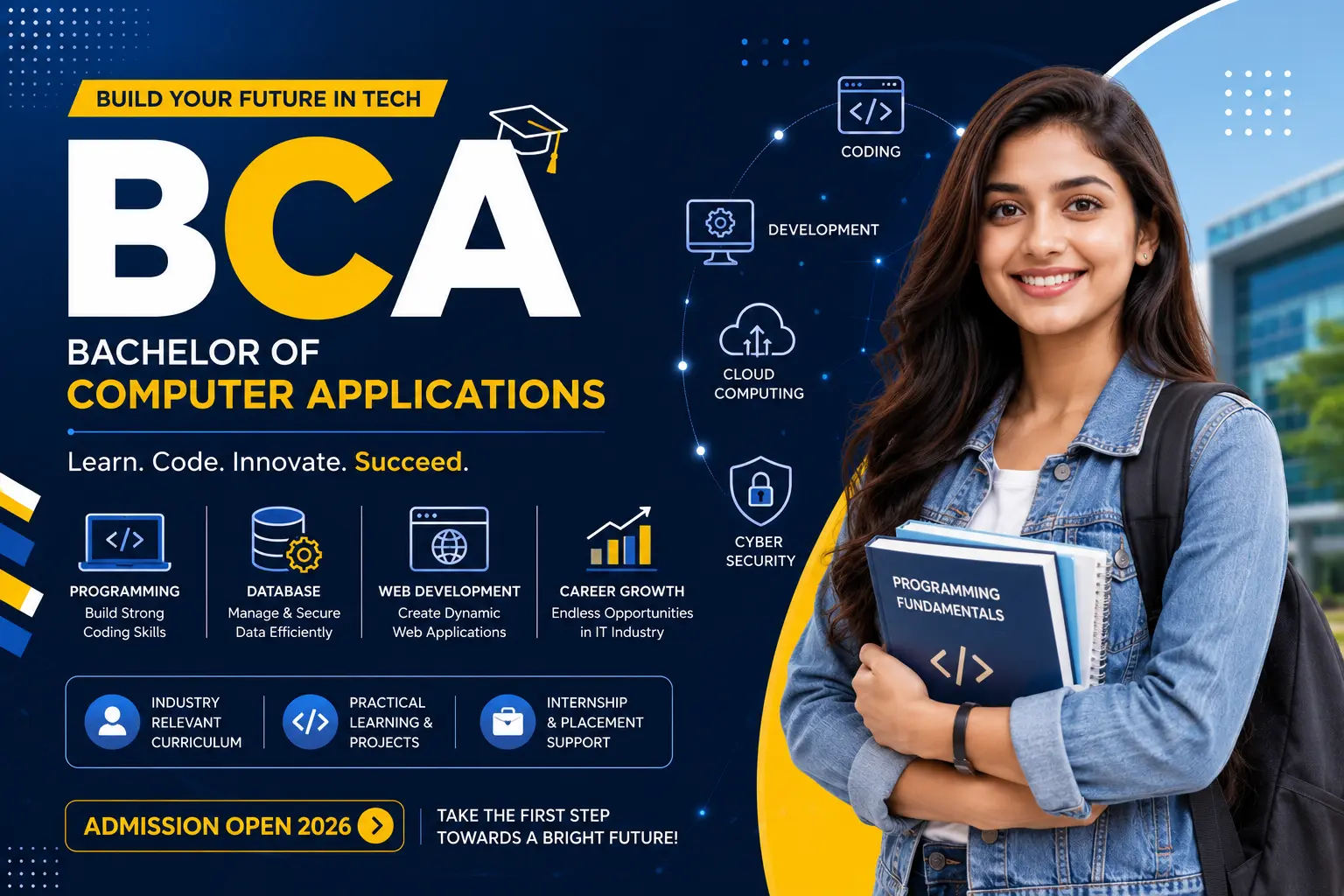 Graduation Courses
BCA (Bachelor of Computer Applications)
A 3‑year honours‑track degree built around real software development — the best BCA in Sikar.